
Starting the Year Proactively with Warehouse Safety

A new year is one of the best times to step back and look at warehouse safety with fresh eyes. Most safety issues do not appear overnight. They develop gradually through small operational changes, shifting inventory, new traffic patterns, or temporary fixes that quietly become permanent. By the time something goes wrong, the warning signs were often there all along. This is why at Eagle Material Handling we believe starting the year proactively helps facilities address risk before it turns into disruption.
Facilities Change and Risks Change with Them
One of the most common mistakes we see is assuming that last year’s safety setup still works today. Warehouses are constantly evolving:
Inventory profiles change
Storage heights increase
Traffic patterns shift
Equipment and staffing levels fluctuate
Even small changes can introduce new risks, especially in high-traffic areas or overhead storage zones. What felt safe last year may no longer match how the space is actually used.
Start with a Warehouse Safety Baseline
A strong safety plan begins with a clear baseline. A baseline helps teams understand:
Where risks currently exist
How people and product move through the space
Which areas are most exposed to potential incidents
Establishing a baseline does not require a full overhaul. It starts with asking the right questions:
Where do people and product intersect?
What areas rely on assumptions instead of safeguards?
Which risks have been accepted simply because nothing has happened yet?
Near-misses are not luck. They are indicators.
Focus on Exposure, Not Just Equipment
Effective safety planning does not start with products. It starts with exposure. Exposure is created where:
Product is stored above head height
People or equipment move beneath stored loads
Traffic zones overlap or change
Temporary solutions remain in place longer than intended
Identifying exposure points early helps facilities prioritize solutions that reduce risk without disrupting operations.
What We See in the Field and Why Small Adjustments Matter
At Eagle MH, we see these challenges every day in real facilities, from shifting layouts to overlooked overhead risks that slowly become part of routine operations. Proactive safety does not always mean large-scale changes. In many cases, small, targeted adjustments can significantly reduce risk:
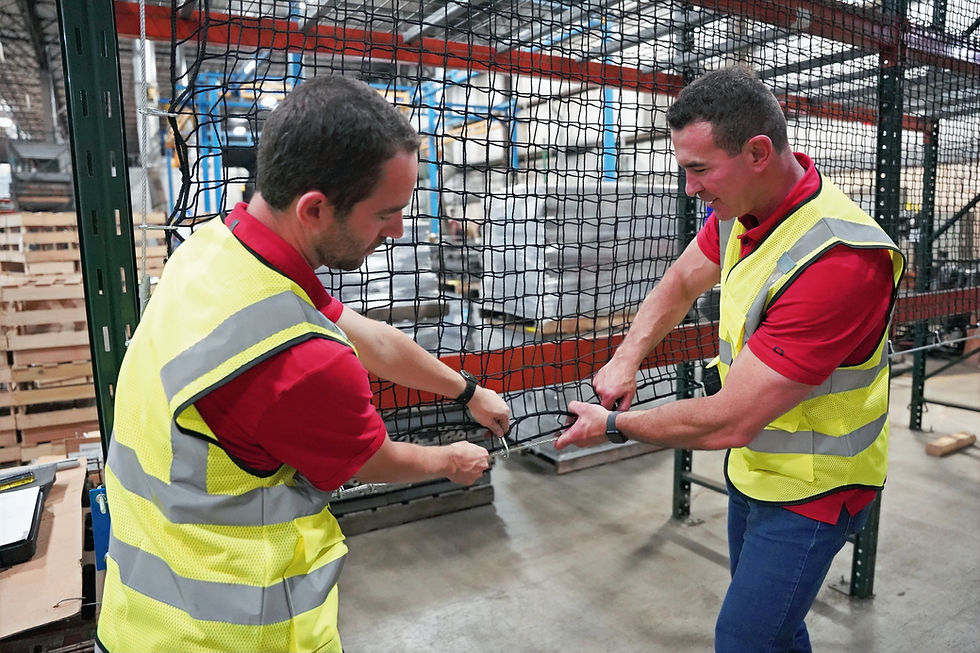
Adding containment in high-exposure areas
Improving protection in high-traffic zones
Reassessing layouts that no longer match current use
These improvements are most effective when they are planned early, not rushed after an incident. By identifying exposure first, facilities can protect people and operations in ways that align with how they actually work.
Contact us today to discuss your facility’s specific needs and get a custom recommendation by visiting eaglemh.com or by clicking the link.

Comments