
After the Install: What Comes Next For Warehouse Safety?
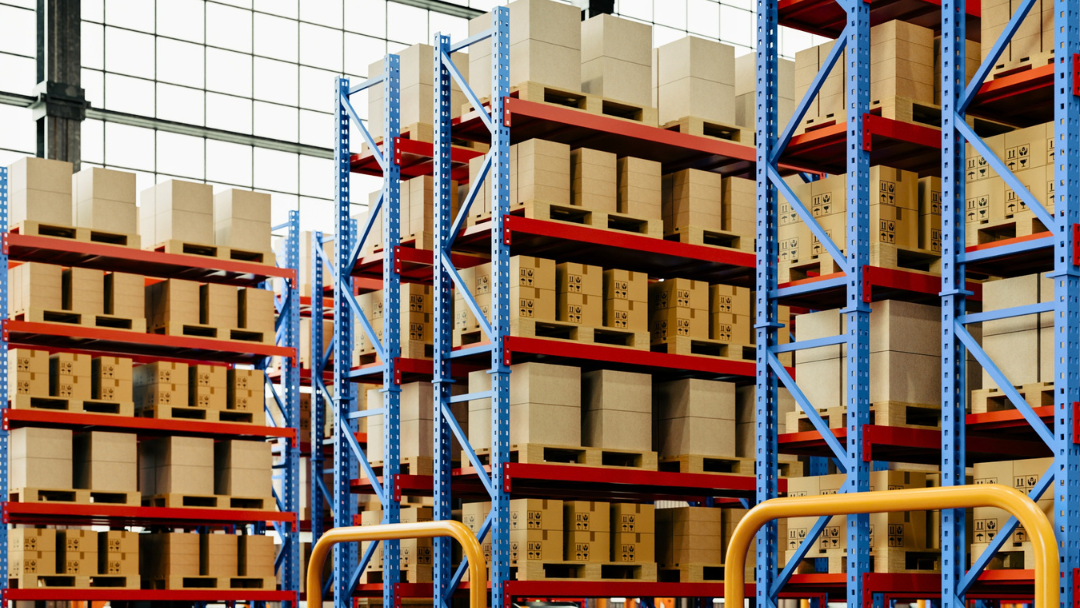
Installing a warehouse safety solution is an important step, but it shouldn’t be the last time you think about it.
Once protection is in place, it can quickly become part of the background. Meanwhile, the operation around it keeps moving. Racking gets reconfigured. Inventory changes. Equipment moves. Traffic patterns shift. Work areas take on new purposes. So, every once in a while, it’s worth asking: Does the protection you have in place still fit the way your operation works today?
Start With What's Changed In Your Warehouse
Think back to when your safety solutions were first installed. Chances are, something in your facility has changed since then. Maybe you're storing different inventory. Maybe a conveyor was added or moved. A pedestrian route may have shifted, a work area may serve a different purpose, or loading and service operations may look different than they did before. That doesn’t necessarily mean your protection needs to change. It does mean it’s worth taking another look.
A few questions can help:
Has the area changed since the solution was installed?
Is it still being used for the same purpose?
Are the same people, products, and equipment moving through the area?
Is the solution still positioned for the application?
Are there visible signs of wear or damage?
The goal isn't to make things complicated. It's simply to make sure what’s already in place still makes sense.
Take a Look Across the Operation
Different areas of a warehouse come with different considerations. That means what you look for after the install will depend on the application.
Rack Netting: Look for changes in inventory, pallet sizes, or rack configuration that could affect coverage.
Conveyor Netting: Consider what’s moving on the conveyor and the people or work areas below it.
Barrier Netting: Check whether pedestrian paths and equipment routes still line up with protected areas.
Oil Pit Netting: Look at the netting, attachment points, and overall condition around the service pit.
Truck Netting: Consider how employees are loading and unloading flatbed trailers and where fall protection is needed.
Warehouse Curtains: Look at how the space is being used and whether work zones or equipment have shifted.
Install. Look. Check. Adjust.
Taking another look at warehouse safety doesn’t have to turn into a major project.
INSTALL the right protection for the application.
LOOK at what’s already in place.
CHECK whether the product, application, or surrounding operation has changed.
ADJUST when something no longer fits the way the area works.
That same process can apply throughout the operation, from pallet racks and conveyors to service pits, loading areas, pedestrian zones, and flexible workspaces.
Keep Protection on Your Radar
The install might be finished, but the job isn't. Your warehouse isn't frozen in time, and the protection throughout it shouldn't disappear from your attention once it's installed. Taking another look as things change can help you spot areas that deserve attention and determine whether your current solutions still make sense for the job. Contact us today to discuss your facility’s specific needs and get a custom recommendation by visiting eaglemh.com or by clicking the link.


Comments